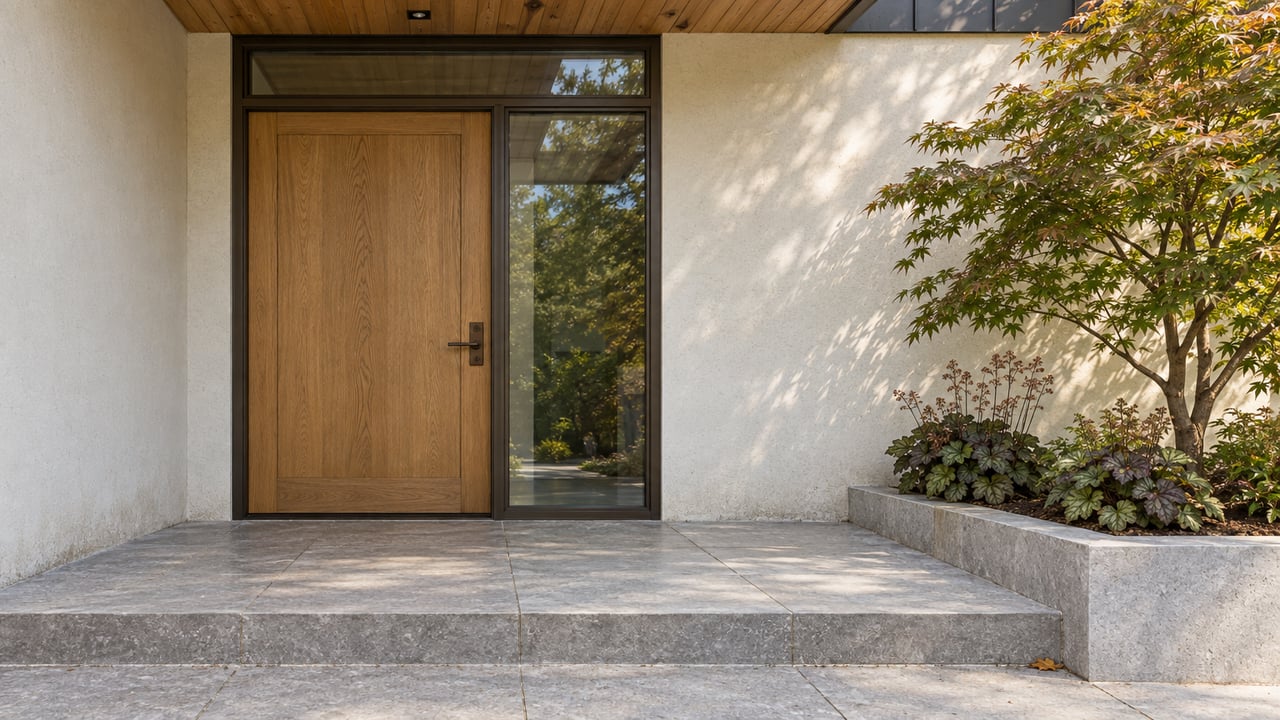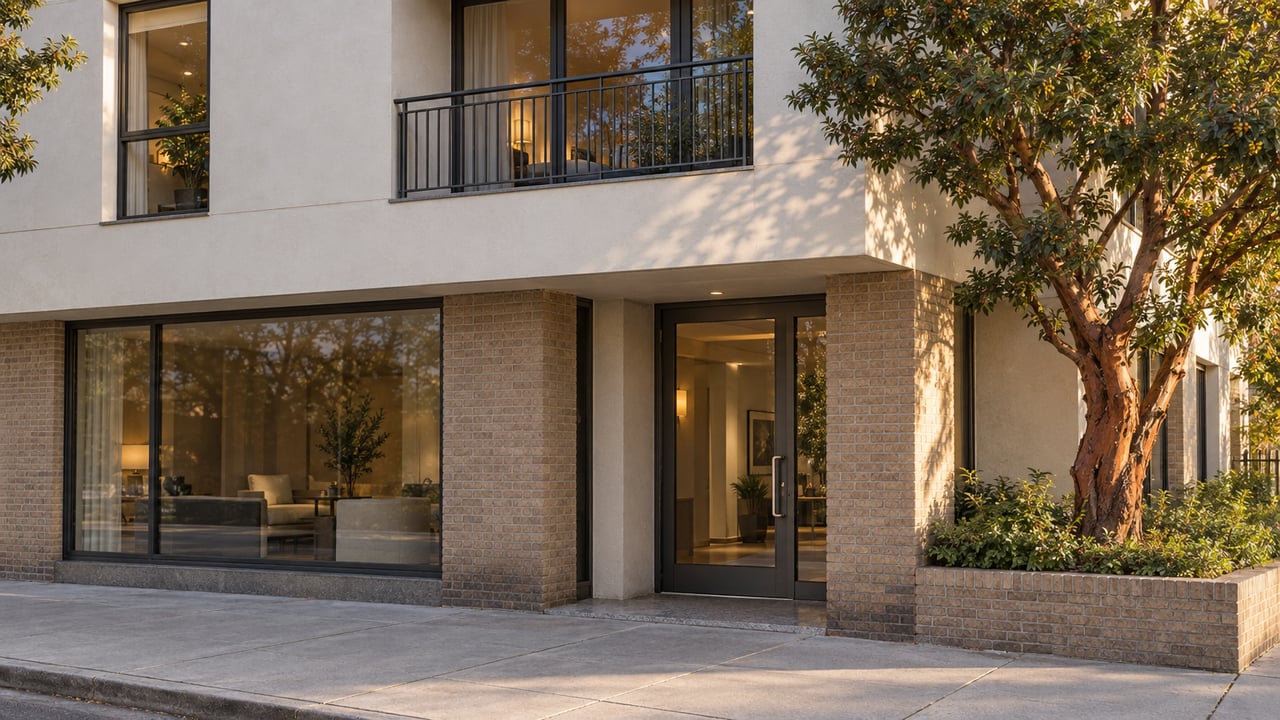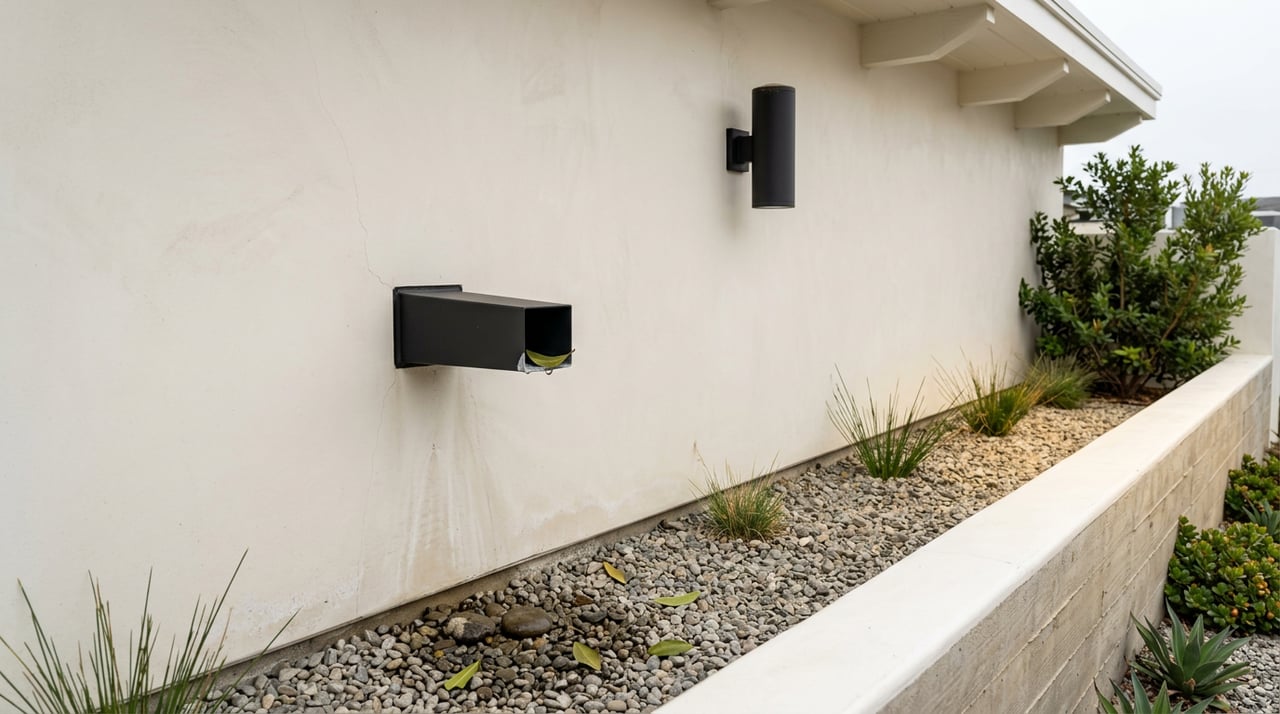
Two homes list at $1.5 million on the same July afternoon. One sits on a block inside Half Moon Bay city limits and pays into the Sewer Authority Mid-Coastside. The other sits a mile north in El Granada, draws from the same water district, and disposes of its wastewater through a septic system permitted under a county ordinance most buyers have never read. On the portal, they are twins. In 2026, they are not.
The gap between them is widening this year because four separate utility decisions are landing on Coastside owners at once, and the direction of each depends on which side of the incorporation line the parcel sits on. The median sale price does not capture any of it.
The line on the map that reprices the house
Coastside County Water District, headquartered at 766 Main Street, serves the City of Half Moon Bay along with the unincorporated communities of El Granada, Miramar, and Princeton-by-the-Sea. So water is a shared story. Wastewater is not.
Inside city limits, sewer service runs through a joint power agreement with Sewer Authority Mid-Coastside (SAM), the JPA formed in 1976 by Half Moon Bay, Granada Community Services District, and Montara Water and Sanitary District. Outside city limits, north toward Montara or east into the hills, the parcel is almost certainly on septic. In areas of San Mateo County without a municipal sewer system, sewage must be disposed of on the property, and the only approved system is a septic system.
That single fact reroutes the diligence checklist, the closing timeline, and the ten-year cost curve.
What changed in 2026 that the median can't see
Four things, in the order a buyer would encounter them.
- The wholesale water rate. On February 19, 2026, SFPUC's Chief Financial Officer previewed a projected wholesale rate increase effective July 1, 2026, with a preliminary estimate of 7.4%. CCWD buys wholesale from SFPUC, so the increase flows through to every Coastside meter regardless of incorporation status.
- The district's ten-year capital plan. At its May 12, 2026 meeting, CCWD's board previewed a $73 million, 10-year capital improvement program that board members acknowledged will require aggressive rate increases and significant borrowing. Against roughly $4–5 million in annual water revenue, the draft 10-year CIP totals $73 million, up from $70 million last year. Tanks account for the largest share, driven by the planned replacement of Half Moon Bay Tank 2.
- The intertie pipeline judgment. In August 2025, a Santa Clara County Superior Court judge ruled against Half Moon Bay in the long-running SAM dispute. City Manager Matthew Chidester said the decision will mean the city will be paying for 62% of the new pipeline. The city elected not to appeal. In its February 18, 2026 press release, the city acknowledged it will also evaluate potential rate adjustments necessary to meet its financial obligations and maintain essential wastewater infrastructure.
- A brand new sewer rate study. On July 21, 2026, the Half Moon Bay City Council authorized a Professional Services Agreement with Kirsch & Associates for project management support in an amount not to exceed $30,000, a Request for Proposals for professional sewer rate study services, and sewer rate setting procedures under Proposition 218 and Assembly Bill 2257. The FY 2024–25 sewer assessment represented the final scheduled rate adjustment under the 2020 Sewer Rate Study, and for FY 2026–27 rates remain unchanged, as no new study had yet been completed.
Read together, those four items are the mechanism. The 2026 flat sewer bill is a pause, not a floor.
The lawsuit that shifted a pipeline onto city ratepayers
The intertie ruling is the piece most buyers have never heard of, and it is the one that most directly moves the sewer line item on a city-limits Half Moon Bay home.
The disputed pipe is SAM's Intertie Pipeline System, the transmission line that carries wastewater from Montara and El Granada south to the treatment plant in Half Moon Bay. SAM has described it as just over 2.5 miles of original ductile iron pipeline that has been in continuous service for more than 40 years and has approached the end of its useful life, with failures in recent years causing interrupted service and sanitary sewer overflows where untreated wastewater has been released into the environment. The Force Main in Montara replacement is the response. It is not optional and it is not cheap.
Half Moon Bay had argued for years that the intertie "does not serve Half Moon Bay ratepayers". The court disagreed. With the appeal window closed and the December 2025 final judgment in place, the arithmetic is straightforward: the city has to fund its share, and the new rate study is how that gets on a utility bill. Anyone underwriting a Half Moon Bay purchase in the back half of 2026 should assume the sewer line item is a variable, not a fixed cost.
If the parcel is unincorporated, the trigger is different
Outside city limits, the sewer conversation disappears and a different one takes its place. San Mateo County Environmental Health administers the county's Onsite Wastewater Treatment System program under the current OWTS Ordinance, which was approved by the County Board of Supervisors and was effective on February 4, 2016, with the Onsite Systems Manual as the implementation document. This is not a point-of-sale rule. It is a trigger rule, which is exactly why it catches buyers who are planning renovations they haven't priced against the system underground.
The trigger that matters most on the Coastside sits in Section 1 of the manual: for a building remodel that is 50% or greater the value of a structure served by an existing OWTS, or a remodel that includes addition of a bedroom served by an existing OWTS, all elements of the OWTS must meet the standards required by the current County OWTS ordinance. Practically, that can mean:
- Additional leach trenches, or a larger or additional septic tank
- Soil percolation testing on the parcel before design can proceed
- A second dwelling unit sizing the shared system to the combined bedroom count for main house plus ADU, per the manual's second-unit provisions
None of this is visible on the listing. It is visible in the county file for the parcel and in an experienced septic inspector's report. That is the read a buyer needs before waiving contingencies on a Miramar or El Granada home they intend to expand.
What to actually ask during escrow
Order the questions by what changes the deal.
- Confirm the service map. Is the parcel inside Half Moon Bay city limits or unincorporated? Is water CCWD, and is sewer SAM through the city, GCSD, or MWSD, or is the property on septic?
- Pull the septic file if applicable. Request the county Environmental Health record for the OWTS: original permit, tank size, dispersal design, most recent pumping and inspection reports, any operating permit if the system is classified as alternative.
- Price the remodel against the system, not just the studs. If the plan is a bedroom addition or a renovation approaching half the structure value, budget for the OWTS to be brought current before drawing plans.
- Underwrite the utility bill as variable through 2028. Assume the 7.4% SFPUC pass-through, a follow-on CCWD rate action tied to the $73M CIP, and a Half Moon Bay sewer adjustment once the new rate study reports out.
- Ask when SAM work is scheduled on your block. The Force Main in Montara project and the ongoing MWSD sewer rehab on 3rd Street between East Avenue and La Conte Avenue are two examples of active corridors where construction windows and easements matter to a closing.
The read
The Coastside is not becoming a more expensive place to own because prices are climbing. In fact, the typical Half Moon Bay home value is around $1,497,026, down 6.4% over the past year on Zillow's index, and in July 2026 homes for sale in Half Moon Bay spent a median of 93 days on the market. Softer surface, harder floor underneath.
What is changing is the fixed-cost layer beneath the mortgage. Two utility districts are absorbing large infrastructure bills at the same moment, and the way that bill gets allocated depends on which agency governs the parcel. A city-limits buyer is quietly signing up for a share of the intertie pipeline and the SFPUC pass-through. An unincorporated buyer is signing up for a septic system whose next capital event may be triggered by their own remodel plans. Both are real. Neither is on the flyer.
The intentional move is to price the utility side of the address before the offer, not after the inspection.
A few questions buyers ask
Is there a point-of-sale sewer or septic inspection required in Half Moon Bay? Half Moon Bay does not operate a citywide point-of-sale sewer lateral inspection program in the way some Peninsula cities do. On the septic side, county Environmental Health inspections are driven by permits, operating permits for alternative systems, and remodel or bedroom-addition triggers rather than a sale event.
Does a septic property cost more to insure or finance? Lenders and insurers generally treat a properly permitted, functioning OWTS the same as sewer, but they will want the inspection report in file. What tends to surprise buyers is not the underwriting, it is the replacement cost if the system fails a perc test during due diligence.
How much will Half Moon Bay sewer rates actually go up? The city has not published a number yet. The July 2026 authorization was to hire a rate consultant and run a Proposition 218 process. A buyer's honest working assumption is a rate action within the next 12 to 24 months tied to the intertie obligation and SAM budget pressure.
If you are weighing a Coastside purchase or preparing to list a home where the utility story genuinely shapes value, Travis Conte & Associates can walk you through the specific numbers behind the address before you write or accept an offer. Let's Connect.