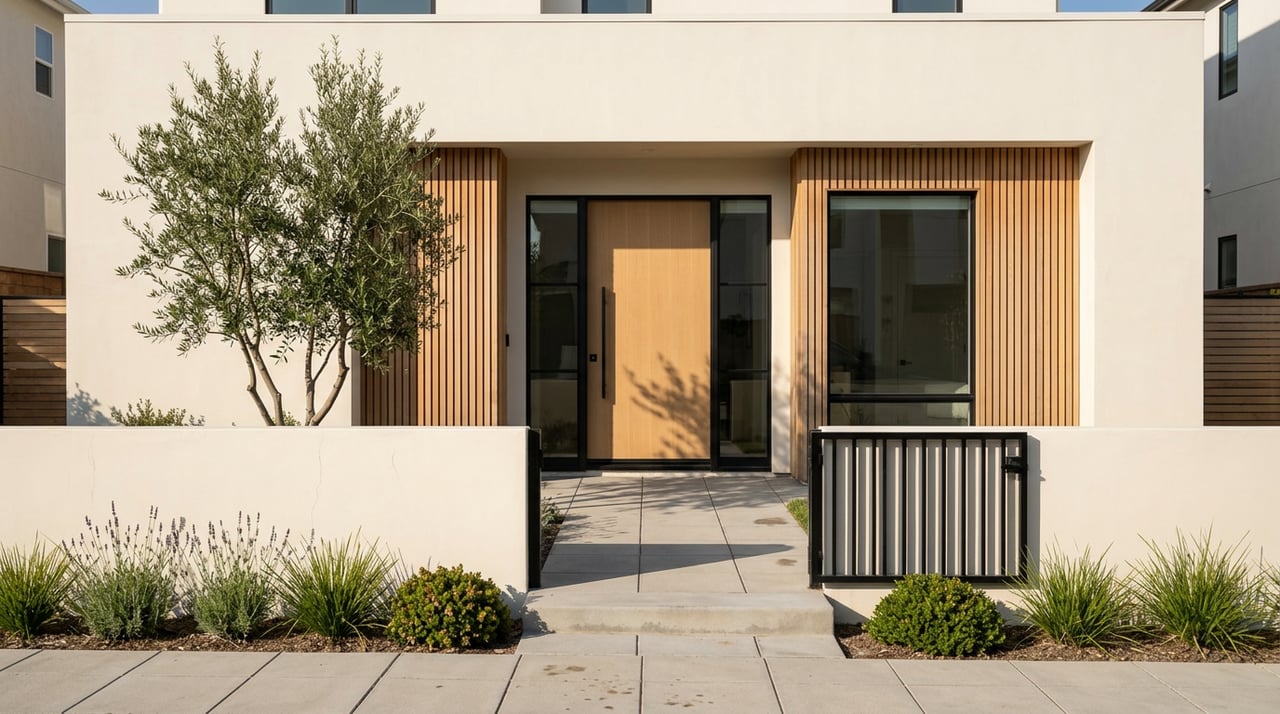
Torn between a condo and a single-family house in Palo Alto? In a fast, low-inventory market, the right choice comes down to how you live, what you want to control, and how the numbers pencil out each month. In this guide, you’ll get a clear, local framework to compare costs, lifestyle, financing, and resale so you can decide with confidence. Let’s dive in.
Palo Alto market context today
Palo Alto is one of the Peninsula’s priciest markets, and price varies by neighborhood. As a citywide snapshot, the median sale price hovered around $3.0M in January 2026 across all home types. Condos and townhomes have typically traded well below that in recent quarters, with medians in the roughly $1.3M to $1.8M band in 2024–2025.
Neighborhoods diverge. Single-family homes in Old Palo Alto and Crescent Park have posted some of the highest medians in recent reports, with certain snapshots near $6M in 2025, while areas closer to California Ave, Downtown North, and parts of South Palo Alto often come in lower. If you want a closer look at how neighborhoods shifted, review local reporting on areas with recent price gains and inventory changes in 2025’s snapshot of Palo Alto neighborhoods. For a starting point, see this neighborhood-focused coverage of recent price trends and inventory changes in Palo Alto from Almanac News.
The big takeaway: there is a meaningful gap between condo/townhome pricing and single-family homes in Palo Alto. Many buyers enter with a condo or townhome and trade up later. Always anchor your plan to current data and the date of any median you reference.
Cost comparison beyond purchase price
The sticker price is only the start. Your all-in monthly cost should include your mortgage, property taxes, insurance, any HOA dues, utilities, and a realistic allowance for maintenance or reserves.
- Property taxes: California’s Prop 13 sets a 1 percent base, and Palo Alto parcels include local bonds and assessments on top. Many Palo Alto tax rate areas land around 1.13 to 1.17 percent in the 2024–2025 Santa Clara County Tax Rate Book. You can verify your parcel’s tax rate area and estimate your tax bill using the county’s published Tax Rate Book.
- Maintenance: For houses, a common planning rule is to set aside about 1 to 3 percent of the home’s value per year for maintenance and capital repairs, adjusted for age, size, and systems. That reserve helps cover roofs, exterior paint, plumbing, and landscape over time.
- HOA dues: Condos and townhomes shift much of the exterior and common-area maintenance into a monthly assessment. Many Palo Alto listings show dues in the mid-hundreds to low-sevens per month, with higher dues in larger amenity buildings. Always check what the dues include.
- Insurance: Houses typically carry an HO-3 homeowner policy. Condo owners share the association’s master policy and add an HO-6 policy to cover interior finishes, contents, liability, and loss-assessment. Learn how HO-6 coverage fills master-policy gaps and why loss-assessment endorsements matter.
Lifestyle and design tradeoffs
Buying a house gives you more control over exterior choices, landscaping, additions, and how you use outdoor space, subject to city permits. You also take on full responsibility for exterior systems and site maintenance. If privacy, a yard, and long-term design flexibility are priorities, a house is often the stronger fit.
In a condo or townhome, you gain convenience. The association handles common-area maintenance and many exterior items, which reduces your personal time on upkeep. You trade that for monthly dues and rules that govern design choices and use. California’s Davis–Stirling framework outlines how common interest developments operate, including CC&Rs, budgets, reserve studies, and member rights. Review these carefully to understand decision-making and responsibilities within an HOA.
If flexibility plus potential rental income is important, look at accessory dwelling unit feasibility. Palo Alto allows ADUs and JADUs under local standards. The City’s ADU Guidebook explains sizes, eligibility, and a typical permitting timeline. On the right lot, the ability to add an ADU later can tilt the decision toward a single-family home.
Financing and resale factors
Financing a condo can be more complex than financing a house. Lenders often require the condo project to meet specific program standards. If a project is not approved or is considered non-warrantable, you may face higher down payment requirements, fewer lender options, or different rate structures. Confirm project eligibility early so underwriting does not delay closing.
For resale planning, think about your likely future buyer pool. Condos near business districts and transit often draw single professionals and downsizers who value convenience. Single-family homes tend to attract longer-horizon buyers and trade-up demand. HOA rental rules, pet policies, and renovation restrictions can directly impact future value and marketability, so evaluate those rules before you write an offer.
Due diligence: what to review
If you are considering a condo or townhome, ask for the full HOA resale packet during your contingency period. Read it closely.
Condo and townhome documents to request
- CC&Rs, bylaws, rules, and architectural guidelines. These documents define what you can change and how the community is governed. The California Department of Real Estate’s guide to common interest developments explains how these rules work.
- Current budget, balance sheet, and reserve statements, plus the most recent reserve study and funding plan. An adequately funded reserve reduces the risk of special assessments.
- Board and annual meeting minutes for the last 12 to 24 months. Look for deferred maintenance, repeated vendor problems, or upcoming capital projects.
- Insurance declarations for the master policy, plus any earthquake or flood coverage. Note the master policy deductible and whether loss-assessment coverage is offered or required.
- Litigation disclosures and collection or delinquency rates. Active litigation and high delinquency can limit financing and put downward pressure on resale.
- Rental rules, occupancy limits, and any short-term rental restrictions. These affect flexibility and your future buyer pool.
- Confirmation of FHA/VA or agency eligibility, including whether lenders can complete a single-unit approval. Start these checks early in escrow.
Red flags to call out
- Large or repeated special assessments in the past 2 to 3 years.
- Recent or ongoing litigation involving the association.
- Master insurance with a very large deductible that could translate into bigger loss assessments after a major event.
- Rules that prevent your intended use, such as limits on pets, renovations, or rentals.
House-specific checks
For single-family homes, confirm permits for additions and remodels, check roof age and major systems, and review utility history. If an ADU is part of your plan, the City of Palo Alto ADU Guidebook outlines size limits and a typical permitting path. ADUs are multi-stage projects that move from planning to permits to construction, so align your timeline and budget early.
A simple decision framework
Use this four-part rubric with your lender and agent to choose with clarity.
1) Budget floor and ceiling
Add up your realistic monthly cost. Include your mortgage at current rates, property taxes using your parcel’s tax rate area, homeowner or condo insurance, any HOA dues, and a maintenance reserve. If a condo’s lower purchase price lets you stay liquid for needed upgrades, that can be the smarter first step in Palo Alto. To estimate taxes by parcel, use Santa Clara County’s Tax Rate Book and your property’s TRA.
2) Lifestyle filter
Rank what matters most: yard, privacy, quiet, renovation flexibility, and entertaining space, or commute simplicity, on-site amenities, and lower time on maintenance. Houses tend to win on outdoor space and control. Condos and townhomes often win on convenience, location, and shared amenities. The DRE’s overview of common interest developments can help you understand what HOA living entails.
3) Financing and resale test
If you are leaning condo and need a low down payment or specific loan program, verify project eligibility early. If you are considering renting in the future or want to maximize your resale pool, check rental rules and how similar homes in your micro-market resell. Choose the product type that aligns with both financing reality and likely buyer demand later.
4) Quick procedural checklist
- Get fully pre-approved and confirm program limits and debt-to-income guidelines.
- Ask your agent to order the full HOA resale packet and a recent reserve study for any condo or townhome.
- Ask your lender to confirm whether the condo project is eligible for your loan type or if a single-unit approval is needed.
- Confirm your property’s TRA and estimate taxes using the county Tax Rate Book.
- Review the HOA master insurance declarations and get an HO-6 quote that includes loss-assessment and, if appropriate, earthquake coverage.
- For houses, speak with the City’s planning staff or review the ADU Guidebook to gauge ADU size, eligibility, and permitting timeline.
Two quick scenarios
- If you want a private yard, plan to add an ADU for flexibility, and are comfortable managing maintenance with contractors, a house in a less-expensive Palo Alto pocket may serve you now and grow with you. The ADU path can add living flexibility or future rental income, subject to city standards.
- If you value a central location, lower maintenance time, and want predictable monthly costs while building equity, a condo or townhome near business districts can be a sharp entry. Make sure the HOA has healthy reserves and clear rules that match your plans.
Make your Palo Alto choice with confidence
Choosing between a condo and a house in Palo Alto is a design, lifestyle, and numbers decision. When you pair honest priorities with precise cost planning, HOA and insurance clarity, and a forward look at resale, the best option becomes clear. If you want a calm, data-informed path to your next move, connect with us for a private consultation. Let’s put a plan in place that fits both how you live now and how you want to live next.
Ready to weigh your options with a local, design- and data-forward team? Let’s Connect with Travis Conte.
FAQs
What is the current median price in Palo Alto and why does the date matter?
- Palo Alto’s citywide median hovered near $3.0M in January 2026, and medians change quickly, so always pair any number with its date and verify the latest local data before deciding.
How do I estimate my Palo Alto property taxes accurately?
- Confirm your parcel’s tax rate area and use Santa Clara County’s published Tax Rate Book to estimate your annual bill, which typically lands around 1.13 to 1.17 percent plus assessments.
What do HOA dues usually cover in Palo Alto condos and townhomes?
- Dues often fund exterior maintenance, roofs, common areas, master insurance, reserves, and sometimes utilities like water or trash, which reduces your personal maintenance workload.
How do ADU rules in Palo Alto affect choosing a condo or a house?
- Because ADUs and JADUs are allowed under local standards, the ability to add an ADU later can make a single-family lot more flexible for multi-generational living or future rental potential.
What insurance differences should I expect between a condo and a house?
- Houses typically use an HO-3 policy, while condos rely on the HOA’s master policy plus an HO-6 to cover interior finishes, contents, liability, and loss-assessment exposure.
What are the biggest condo financing hurdles I should check early?
- Verify whether the project is eligible for your loan program, confirm any litigation or high delinquency that could affect lender approval, and plan for timing if a single-unit approval is needed.