If you are thinking about living in Redwood City, one question matters more than almost any other: which part of the city fits the way you want to live? Redwood City is not one-note. Some areas put you close to downtown, restaurants, and Caltrain, while others feel more park-centered, more private, or more connected to the water. This guide gives you a neighborhood-level framework so you can compare Redwood City with more clarity and confidence. Let’s dive in.
Redwood City at a glance
Redwood City recognizes 17 neighborhood associations, and the city notes that its neighborhood map is meant for general reference rather than exact boundaries. For most buyers, it helps to simplify the city into a few broad lifestyle patterns instead of focusing too early on precise lines.
A practical way to think about Redwood City is through four main categories: downtown and transit-oriented living, older mixed-density neighborhoods near the core, hillside and park-adjacent neighborhoods, and Redwood Shores waterfront living. That framework lines up well with how the city describes community character and development patterns in its planning materials.
Downtown and transit-oriented living
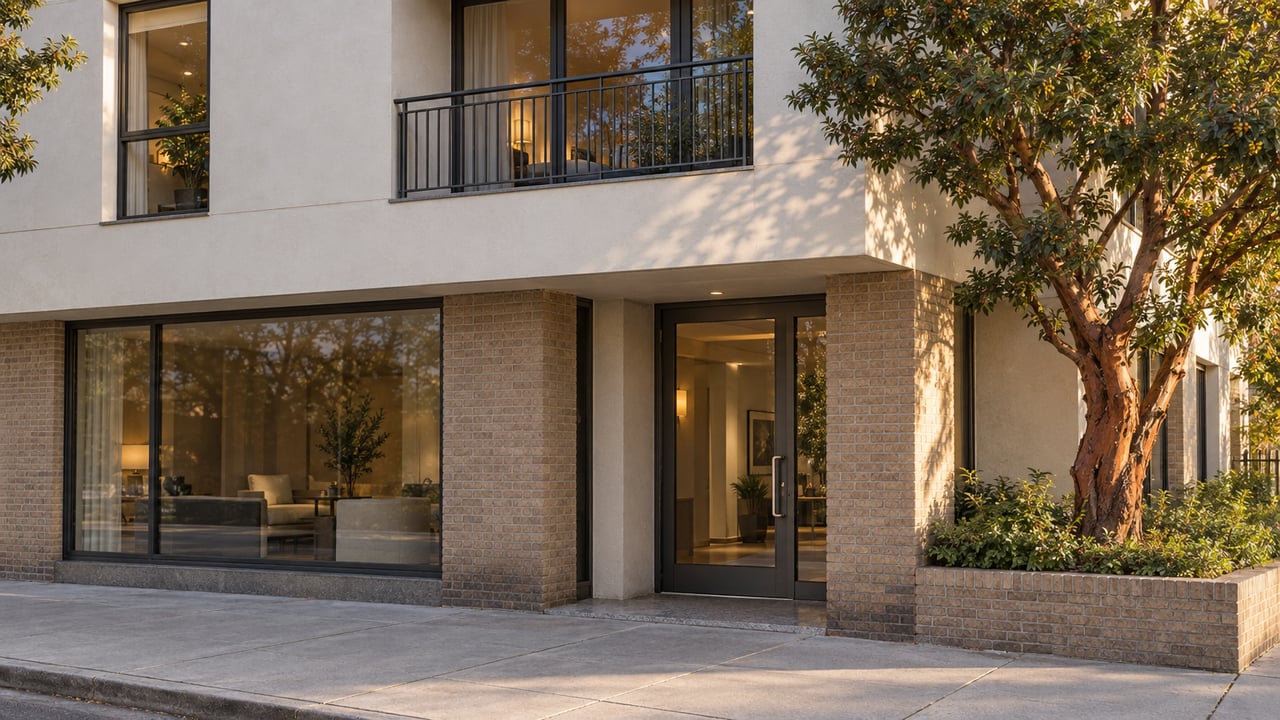
If your priority is walkability, access to dining, and a shorter trip to transit, downtown is the clearest fit. The city describes downtown as a pedestrian-oriented mixed-use district with offices, theaters, retail, restaurants, and housing, and the Downtown Precise Plan continues to shape how this area grows.
Downtown also stands apart because of its residential form. City planning documents note that this area has mostly 3- to 12-story buildings, shared parking facilities, and no limit on residential density, making it Redwood City’s strongest match for buyers who want a more urban experience and short-distance access to Caltrain.
The Redwood City Caltrain Station is at 1 James Ave and includes 557 parking spaces, 18 bike racks, 4 ticket vending machines, and SamTrans connections. Caltrain places Redwood City in Zone 2, which is useful if your routine includes regular Peninsula or San Francisco travel.
What downtown living feels like
Downtown tends to appeal to buyers who value convenience and energy over larger private lots. You may find it easier to run errands on foot, meet friends locally, or structure your day around transit instead of driving for every stop.
The city also formally manages downtown parking through garages, lots, and on-street spaces, and the downtown district benefits from a Community Benefit Improvement District that supports sidewalk operations, beautification, district identity, and parking management. In practical terms, that supports a more managed, active urban core.
Historic pockets near downtown
If you like being near the center of town but want older residential character, the blocks around downtown deserve a closer look. The city identifies Mezesville, Stambaugh-Heller, and New Main Street as historic districts, with some of Redwood City’s oldest residential fabric concentrated near the downtown edge.
According to the city, Mezesville includes many 19th-century one- and two-story wood-frame homes, while Stambaugh-Heller contains the largest number of pre-1900 buildings in Redwood City. Some mid-20th-century apartment infill exists as well, but the city notes that restored historic houses remain appealing for their charm and walking distance to downtown.
Older neighborhoods near the core
Outside downtown, Redwood City has a broad group of older neighborhoods that offer a different balance of housing types, lot sizes, and daily rhythm. This includes areas such as Friendly Acres, Redwood Oaks, Redwood Village, Palm Park, Roosevelt, Central, Centennial, and parts of Mt. Carmel, Woodside Plaza, and Edgewood Park.
The city’s missing-middle housing overview helps explain why these neighborhoods can feel more varied block to block. Duplexes, triplexes, and fourplexes are concentrated in older neighborhoods with denser street grids and proximity to transit, which means some areas offer more housing diversity than a typical single-use suburban pattern.
Why these neighborhoods feel different
One of the biggest mistakes buyers make is assuming the older central neighborhoods all feel the same. They do not. A 2019 city staff report found smaller lots in places like Stambaugh-Heller, Redwood Village, Centennial, Palm, and Redwood Oaks, while larger single-family lots appeared in Canyon, Edgewood Park, Farm Hill, and Woodside Plaza.
That report is best used as a directional snapshot, not a live ranking, but it is still helpful. It shows that central Redwood City includes both compact, transit-adjacent areas and more lot-driven residential pockets.
A practical fit for many buyers
These neighborhoods often work well if you want options. Depending on the specific area, you may find a mix of detached homes, smaller-scale multifamily properties, and streets that connect more easily to parks, downtown, and everyday services.
The city’s general plan describes many post-war neighborhoods as well established and generally well preserved, with an emphasis on maintenance and improved pedestrian and bicycle access to services. That makes these areas a good middle ground for buyers who want a residential feel without being too removed from the city’s core.
Parks and neighborhood identity
In Redwood City, parks are not just amenities. They are part of how neighborhoods organize civic life and local identity. The city says it has more than 30 unique parks, including neighborhood parks, larger multi-use parks, off-leash dog parks, and a skate park.
That matters in day-to-day living. If you are comparing neighborhoods, access to parks and public gathering spaces can shape how connected an area feels, especially if you want outdoor time built into your routine.
The city also reports that more than 80 percent of survey respondents rate its parks, recreation facilities, and programs as excellent or good. For many buyers, that supports Redwood City’s broader appeal as a place where neighborhood life extends beyond the front door.
Park-centered community patterns
City events offer a useful clue about local neighborhood identity. For National Night Out, Redwood City grouped Downtown/Centennial at Mezes Park, Friendly Acres at Andrew Spinas Park, Mt. Carmel/Edgewood Park at Stafford Park, Redwood Village at Flynn Avenue and Spring Street, Stambaugh-Heller/Palm Park at Jardin de Niños Park, and Woodside Plaza at Maddux Park, according to the city’s National Night Out page.
That reinforces something buyers often notice in person: many Redwood City neighborhoods are anchored by specific parks and gathering spaces. It is a simple but useful lens when you are deciding where you may feel most at home.
Hillside and west-side neighborhoods
If you want more topography, more privacy, and generally larger-home surroundings, the hillside neighborhoods create a strong contrast with the downtown core. The city’s general plan says these areas are shaped by foothill topography, curvilinear streets, and mostly larger homes, with Edgewood County Park at the edge of this neighborhood type.
That description broadly fits neighborhoods such as Farm Hill, Edgewood Park, Canyon, and Eagle Hill. These areas tend to feel less like a street-grid environment and more like residential enclaves shaped by terrain.
What buyers often notice here
In hillside neighborhoods, the experience is usually less about storefront access and more about space, setting, and a quieter residential pattern. Streets may wind more, homes may sit differently on the land, and the neighborhood rhythm can feel more removed from downtown activity.
The 2019 city staff report also found larger single-family lots in Canyon, Edgewood Park, and Farm Hill. If lot size and topography are part of your criteria, those areas deserve attention.
Redwood Shores living
Redwood Shores is Redwood City’s clearest outlier. It is the city’s master-planned waterfront cluster, and it offers a lifestyle that feels very different from both downtown and the older neighborhoods near the center of town.
The city’s general plan describes master-planned neighborhoods as areas that combine multiple dwelling types with public or common open space. It also describes the waterfront typology as emphasizing higher-density housing, floating homes, docks, and Bay access.
What makes Redwood Shores distinct
Redwood Shores is especially useful to separate out in your search because it operates as its own residential and recreational cluster east of the freeway. The city’s Parks, Recreation & Community Services department notes that its community centers stretch from the west side to Redwood Shores, underscoring how distinct this area is within the city.
The city’s lagoon information also adds practical context. In Redwood Shores, boating is limited to residents or those with permission, and gas-powered boats are not allowed, which supports the area’s controlled, recreation-forward character.
Home size and setting
In the same 2019 city staff report, Redwood Shores showed an average single-family lot size of about 5,279 square feet and an average home size of about 2,209 square feet. As with all snapshot data, that should be treated as directional, but it helps explain why Redwood Shores often feels more planned and more uniform than older parts of Redwood City.
If you are drawn to water-oriented surroundings, shared open space, and a master-planned environment, Redwood Shores is likely the first area to explore.
How to choose the right Redwood City area
The best neighborhood for you depends on how you want your daily life to work, not just what looks best online. In Redwood City, a smart starting point is to match your priorities to the city’s major neighborhood patterns.
Here is a simple way to frame it:
- Choose downtown or nearby historic-core areas if you want walkability, dining, mixed-use surroundings, and easier Caltrain access.
- Choose older central neighborhoods if you want a broader mix of housing types, more variation block to block, and a balance between access and residential feel.
- Choose hillside neighborhoods if you value topography, privacy, and generally larger-home settings.
- Choose Redwood Shores if you want a master-planned waterfront environment with a distinct bay-oriented character.
When clients are narrowing Redwood City, we often recommend looking beyond finishes and focusing on repeat daily patterns. Think about how often you want to drive, how important park access is, whether topography matters, and how much value you place on transit, water access, or proximity to downtown.
Final thoughts on living in Redwood City
Redwood City offers more range than many buyers expect. You can find an urban, transit-connected lifestyle near downtown, older neighborhoods with layered housing patterns and park identity, hillside areas with more privacy and topography, and a waterfront setting in Redwood Shores that feels almost like a separate submarket.
If you want help comparing these neighborhood patterns in a more strategic way, Travis Conte offers thoughtful, data-informed guidance for buyers and sellers across Redwood City and the Peninsula. Whether you are relocating, moving across town, or refining your search, a more intentional neighborhood strategy can make the entire process clearer.
FAQs
What is downtown living like in Redwood City?
- Downtown Redwood City is the city’s most walkable and transit-oriented area, with mixed-use development, restaurants, retail, housing, and access to the Redwood City Caltrain Station.
Which Redwood City neighborhoods have historic character?
- The city identifies Mezesville, Stambaugh-Heller, and New Main Street as historic districts, with many older homes located near the downtown edge.
Which Redwood City neighborhoods feel more suburban?
- Areas such as Farm Hill, Edgewood Park, Canyon, Eagle Hill, and parts of Woodside Plaza generally align more with larger lots, more topography, or a quieter residential pattern.
What makes Redwood Shores different from the rest of Redwood City?
- Redwood Shores stands out as a master-planned waterfront area with bay-oriented amenities, common open space, and a distinct residential character east of the freeway.
Are Redwood City neighborhood boundaries exact?
- No. The city says its neighborhood map is for illustrative and general-location purposes, so neighborhood boundaries should be treated as approximate.
How many parks are in Redwood City?
- Redwood City says it has more than 30 unique parks, including neighborhood parks, multi-use parks, off-leash dog parks, and a skate park.