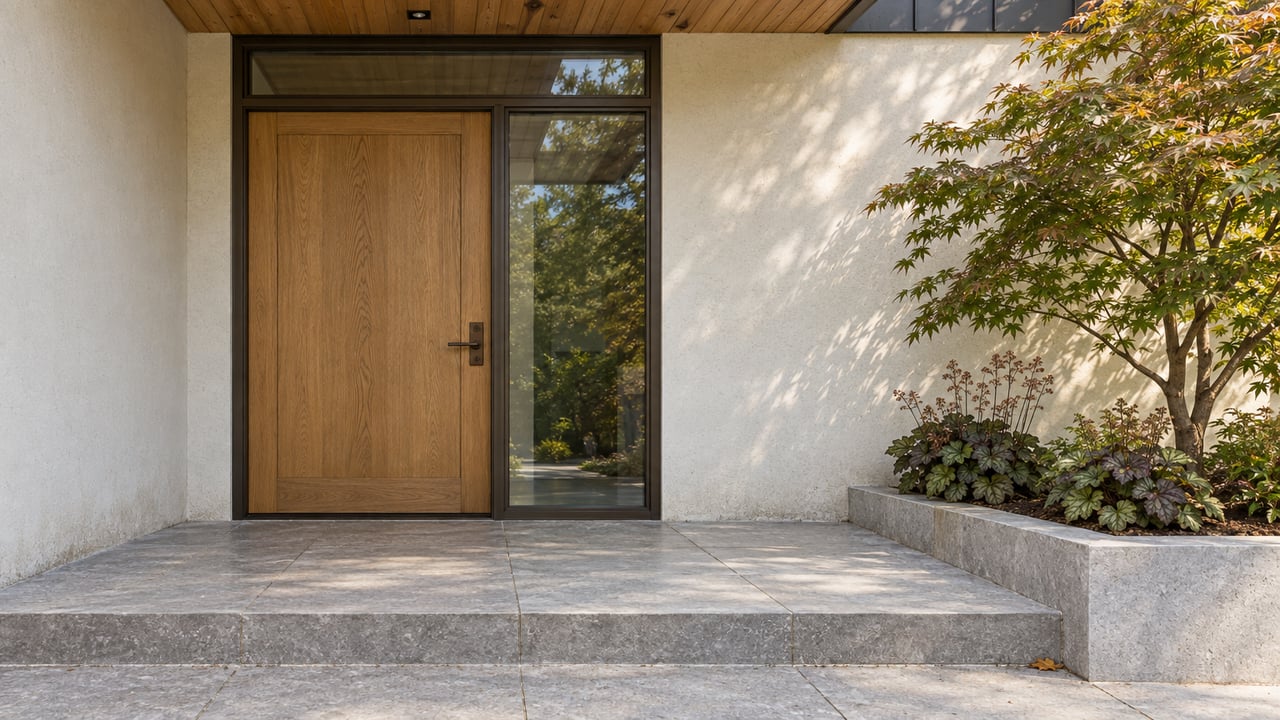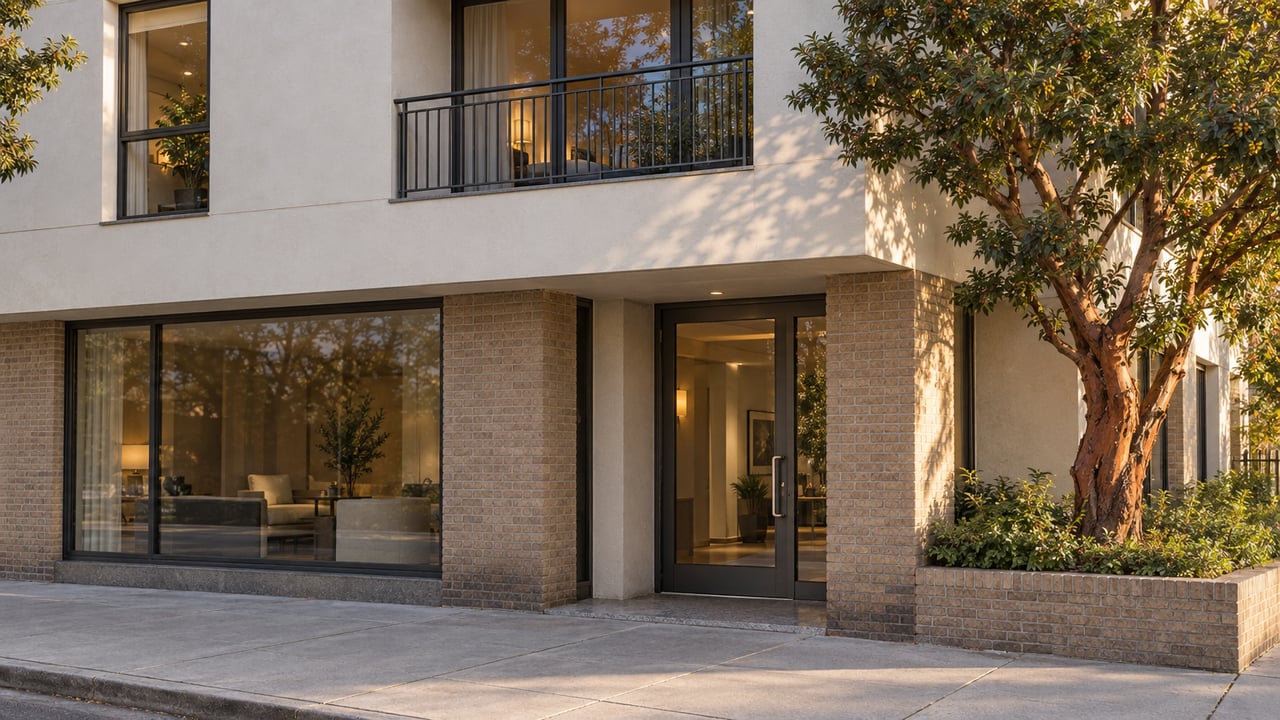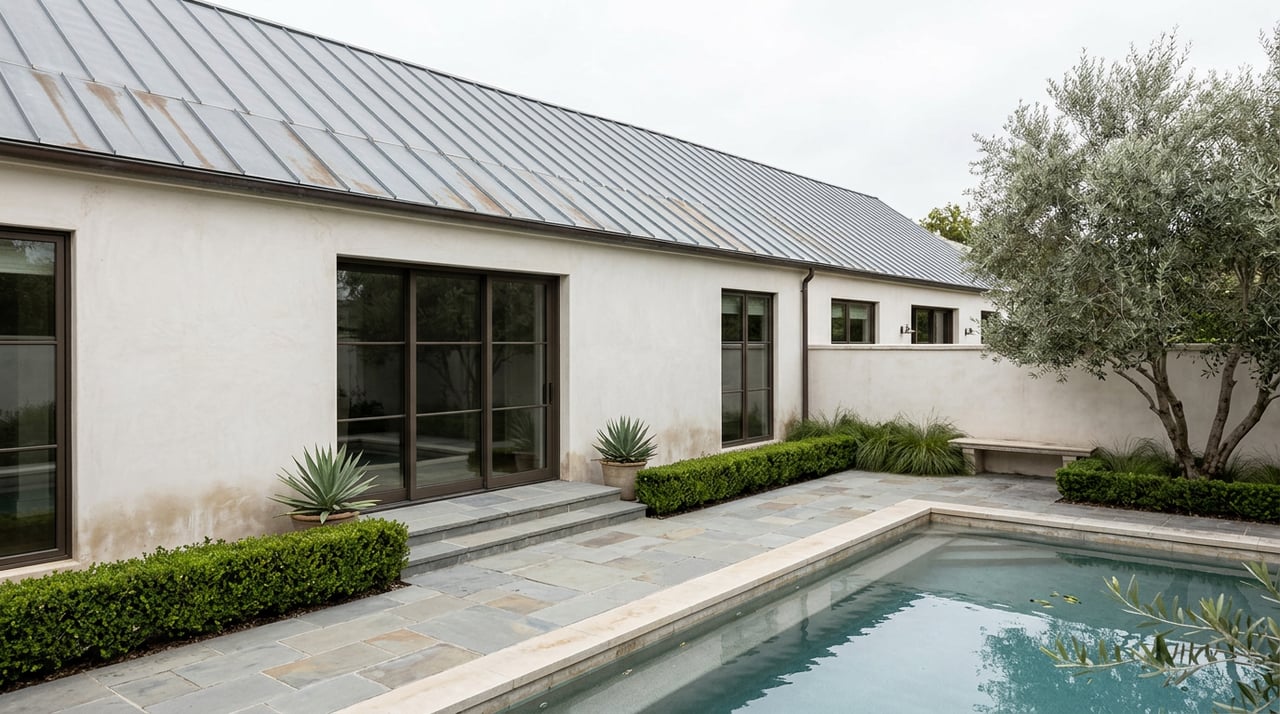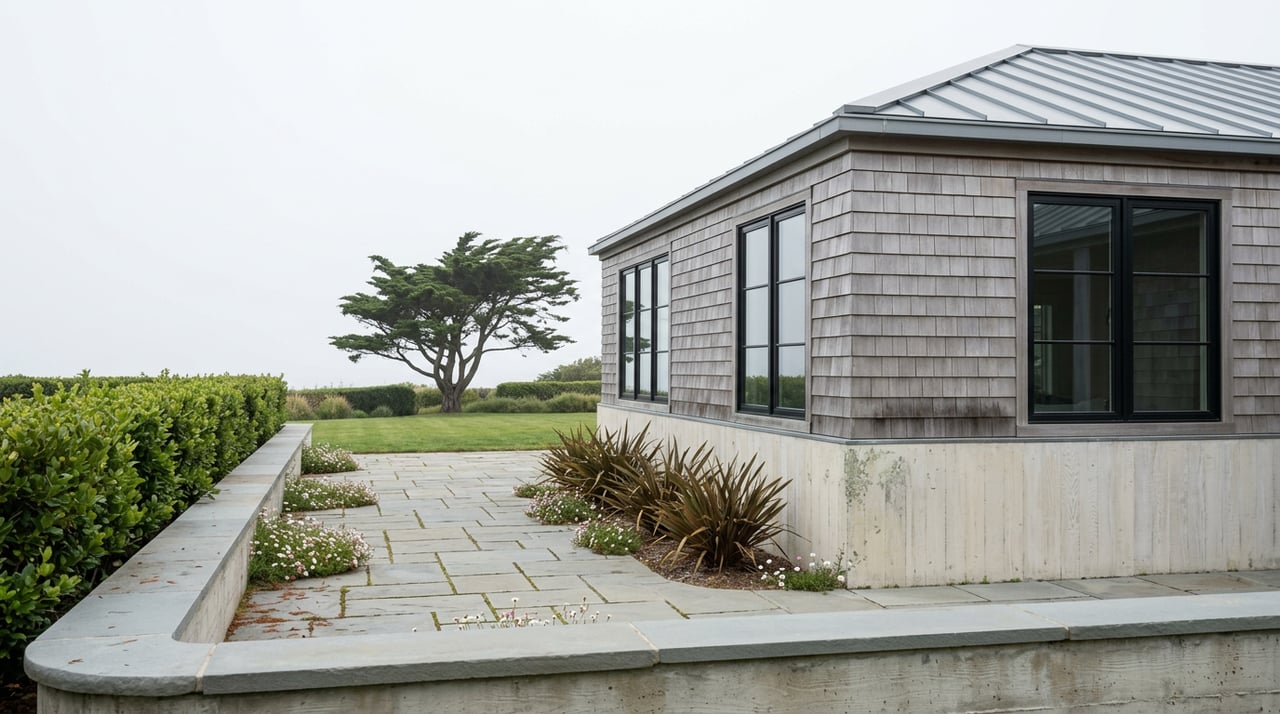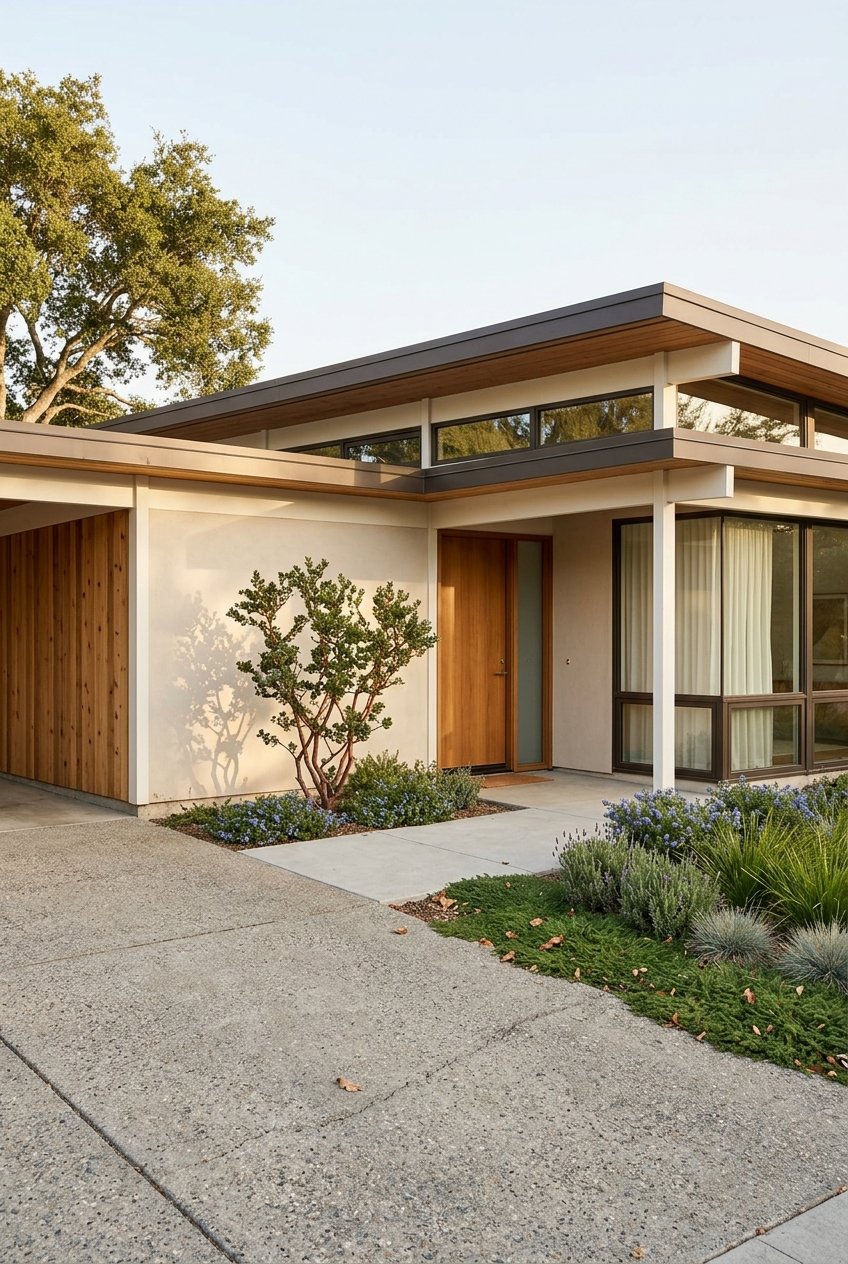
If you start touring homes in Palo Alto, one thing becomes clear fast: you are not looking at one architectural story. You are looking at layers of them. From early brown-shingled houses near older parts of the city to glass-forward Eichlers in later neighborhoods, style in Palo Alto often shapes how a home feels, lives, and ages.
If you are buying here, that matters. Architecture is not just about curb appeal. It can affect light, privacy, maintenance, renovation options, and long-term resale. This guide will help you recognize the main styles buyers see in Palo Alto and understand what those styles can mean day to day. Let’s dive in.
Why Palo Alto Has So Many Styles
Palo Alto’s historic survey materials identify a wide early mix of styles, especially in buildings constructed before 1940. That early group includes Craftsman, Colonial Revival, Spanish Colonial Revival, Mission Revival, Tudor Revival, Prairie, Queen Anne, Classical Revival, Streamline Modern, and others.
The city also has four National Register historic districts: Professorville, Ramona Street, Green Gables, and Greenmeadow. In practical terms, that means Palo Alto’s architecture is tied closely to when an area was built and how each neighborhood expanded over time.
Older prewar homes tend to cluster closer to downtown and the university side of town. Later mid-century development spread south and east, where Eichler neighborhoods became one of the city’s most recognizable design signatures.
Early Palo Alto Homes
Craftsman and Colonial Revival
If you walk through older parts of Palo Alto, especially around Professorville, you will often see homes with more visible detailing and a more traditional room-by-room feel. The National Park Service describes Professorville as known for brown-shingled houses with gambrel roofs, and notes a stylistic range from Colonial Revival to Craftsman.
These homes often feel more articulated than mid-century modern houses. Based on the city’s style descriptions, Craftsman homes are associated with Arts-and-Crafts ideals and human-scale details, while Colonial Revival draws from more formal historic forms and plan types.
For you as a buyer, that can translate into features like porches, defined rooms, detailed trim, and a stronger street presence. These homes may feel warm and grounded, but the layout can be less open than what many buyers expect in newer construction.
Queen Anne, Tudor, and Other Prewar Styles
Palo Alto’s early style set also includes Queen Anne Cottage, Queen Anne, Tudor Revival, Prairie, Medieval Revival, and Classical Revival. You may not see all of these in equal numbers, but together they add to the city’s layered visual character.
What matters most is not memorizing every label. It is noticing how these houses tend to prioritize form, ornament, and distinct room separation more than later modern homes. If you value architectural detail and a strong sense of period character, these homes often stand out quickly.
Spanish Colonial and Early California Influence
What Buyers Notice First
Spanish Colonial Revival plays an important role in Palo Alto’s visual identity. The city’s survey describes this style with low-pitch red tile roofs, tiled parapets, arches, and stucco walls.
The Ramona Street Architectural District is one of the clearest examples of this language in Palo Alto. It is described as a downtown block with Spanish and Early California character, including arches, wrought iron, tile roofs, and courtyards.
How These Homes Live
For buyers, one of the most useful things to understand is how this style often organizes outdoor space. Based on National Register and district descriptions, Spanish Colonial and Early California buildings often emphasize courtyard entries, patios, private gardens, and simpler street-facing facades.
That can create a very different daily experience from a house designed to make its biggest statement from the sidewalk. You may find that the most important outdoor room is tucked inside, behind a gate or wall, rather than displayed out front.
Eichler Homes and Mid-Century Modern
The Palo Alto Style Many Buyers Recognize Fastest
For many buyers, Eichler homes are the Palo Alto style they recognize right away. The city says Joseph Eichler built more than 11,000 homes across California and well over 2,000 in Palo Alto.
That scale matters. It means mid-century modern design is not a side note here. It is a major part of the city’s residential identity, especially in areas that developed during Palo Alto’s growth south and east.
Green Gables and Greenmeadow
Two of Palo Alto’s National Register districts are especially important to the Eichler story: Green Gables and Greenmeadow. Green Gables contains 63 homes built in 1950, while Greenmeadow is much larger, with 246 structures across about 73 acres, including 243 single-story residences plus shared neighborhood amenities.
As a buyer, you may notice that these places feel different even within the same broader design language. Green Gables reads as compact and visually crisp, while Greenmeadow feels more like a planned neighborhood with a stronger communal scale.
Key Eichler Features
The city’s Eichler design guidelines explain why these homes feel so distinct. Typical features include:
- One-story, horizontal massing
- Post-and-beam construction
- Slab foundations
- Low-profile roofs
- Large rear glazing
- Clerestory windows
- Carports or simple garages
- Square or U-shaped plans
- Center atriums or rear patios
The guidelines also note that homes were often arranged so windows did not directly face neighboring homes. That privacy-by-design approach is a big part of the Eichler experience.
What Eichlers Feel Like Day to Day
In daily life, Eichlers often feel bright, open, and highly connected to the outdoors. The city’s guidelines explicitly connect them with indoor-outdoor living, efficient floor plans, and a high quality of life.
That experience usually comes less from a formal front facade and more from what happens deeper inside the lot. Rear glass, atriums, and open circulation often make these homes feel social and light-filled in a way that is very different from earlier styles.
The Tradeoffs Buyers Should Understand
Character vs. Maintenance
Every style comes with tradeoffs, and Palo Alto buyers benefit from understanding them early. The city’s Eichler guidelines note common concerns such as flat roofs that can leak, slab foundations without crawl spaces, single-pane glass, and limited insulation.
That does not make these homes less desirable. It simply means the lifestyle upside should be weighed alongside a realistic view of upkeep, performance upgrades, and future project costs.
Privacy and Remodeling Sensitivity
The same design choices that make Eichler neighborhoods appealing can also make changes more sensitive. The city notes that second-story additions and taller new construction can disrupt privacy in these neighborhoods, which is one reason remodeling conversations can be more nuanced here than in other parts of Palo Alto.
For you, this means style is not just cosmetic. It can affect how a home interacts with nearby homes and how future changes may be perceived.
Contemporary Homes and Newer Remodels
What Fits Best in Modern Areas
Palo Alto’s design conversation today is not only about preservation. It is also about compatibility. In Eichler areas, the city’s guidelines say many residents accept new construction, but modern and contemporary design vocabulary is generally favored over revivalist styles.
The guidelines also encourage features such as clerestory windows, skylights, fewer front windows, and more expansive rear glazing. In other words, the most successful newer homes in these settings often borrow from the logic of mid-century modern design rather than trying to copy an older historic style.
What Buyers Should Watch For
When you tour a remodeled or newly built home, it helps to look beyond finishes. Ask whether the home keeps the qualities buyers value most in Palo Alto architecture, such as light, privacy, outdoor connection, and a layout that feels intentional.
A polished renovation is not always the same as a well-resolved house. In many cases, long-term value comes from how well a property preserves its defining character while improving comfort, flow, and function.
How Style Can Affect Value and Resale
Architecture can shape more than your first impression. It can also influence how a property is updated, presented to future buyers, and understood in the market.
The National Park Service says National Register listing recognizes historic significance, but it does not automatically create local historic zoning or landmark designation. Palo Alto also notes that locally designated resources may have access to preservation-related incentives such as flexible building-code alternatives, floor-area exceptions, and rehabilitation tools.
For buyers, the practical takeaway is simple: style can have a real effect on future decision-making. If you are choosing between a preserved period home, an original Eichler, or a heavily remodeled contemporary property, it helps to think about both lifestyle fit and resale positioning.
A Simple Framework for Buyers
If you are comparing architectural styles in Palo Alto, focus on these questions:
- How does the home handle light through the day?
- Where does the home create privacy?
- Does the layout feel formal, open, or courtyard-oriented?
- How much maintenance should you expect from the structure and materials?
- Does the remodel, if any, respect the home’s original design logic?
- How might the style influence future updates or resale appeal?
This kind of framework helps you move past surface-level reactions. It also gives you a more grounded way to compare very different homes in the same city.
Final Thoughts
In Palo Alto, architecture is not background detail. It is part of how a home lives. A brown-shingled Professorville house, a courtyard-oriented Spanish Colonial home, and a glassy Eichler can all be compelling, but they offer very different experiences once you move from the sidewalk to everyday life.
If you want to buy well here, it helps to understand not just what looks appealing, but what each style asks of you and gives back over time. If you want a thoughtful perspective on layout, livability, and long-term value as you compare Palo Alto homes, Travis Conte can help you approach the process with clarity and intention.
FAQs
What architectural styles are common in Palo Alto?
- Palo Alto includes a wide mix of styles identified by the city, including Craftsman, Colonial Revival, Spanish Colonial Revival, Mission Revival, Tudor Revival, Prairie, Queen Anne, Classical Revival, Streamline Modern, and Eichler-era mid-century modern homes.
Where can buyers see older Palo Alto architecture?
- Older prewar architecture is especially associated with areas closer to downtown and the university side of town, with Professorville serving as one of the clearest historic reference points.
What makes Eichler homes in Palo Alto different?
- Palo Alto Eichlers are known for one-story horizontal forms, post-and-beam construction, slab foundations, atriums or rear patios, large rear glass, clerestory windows, and layouts designed to support privacy and indoor-outdoor living.
What should buyers know about Eichler maintenance?
- The city’s guidelines note common considerations such as flat roofs, slab foundations without crawl spaces, single-pane glass, and limited insulation, so buyers should balance design appeal with realistic maintenance and upgrade planning.
Do historic districts in Palo Alto limit remodeling?
- National Register status recognizes historic significance but does not automatically create local historic zoning or landmark designation, and Palo Alto notes that locally designated resources may also have preservation-related incentives and rehabilitation tools.
How can architectural style affect resale in Palo Alto?
- Style can influence buyer appeal, renovation strategy, privacy, livability, and how well a home’s defining character is preserved, all of which can matter when the property is marketed and evaluated over time.