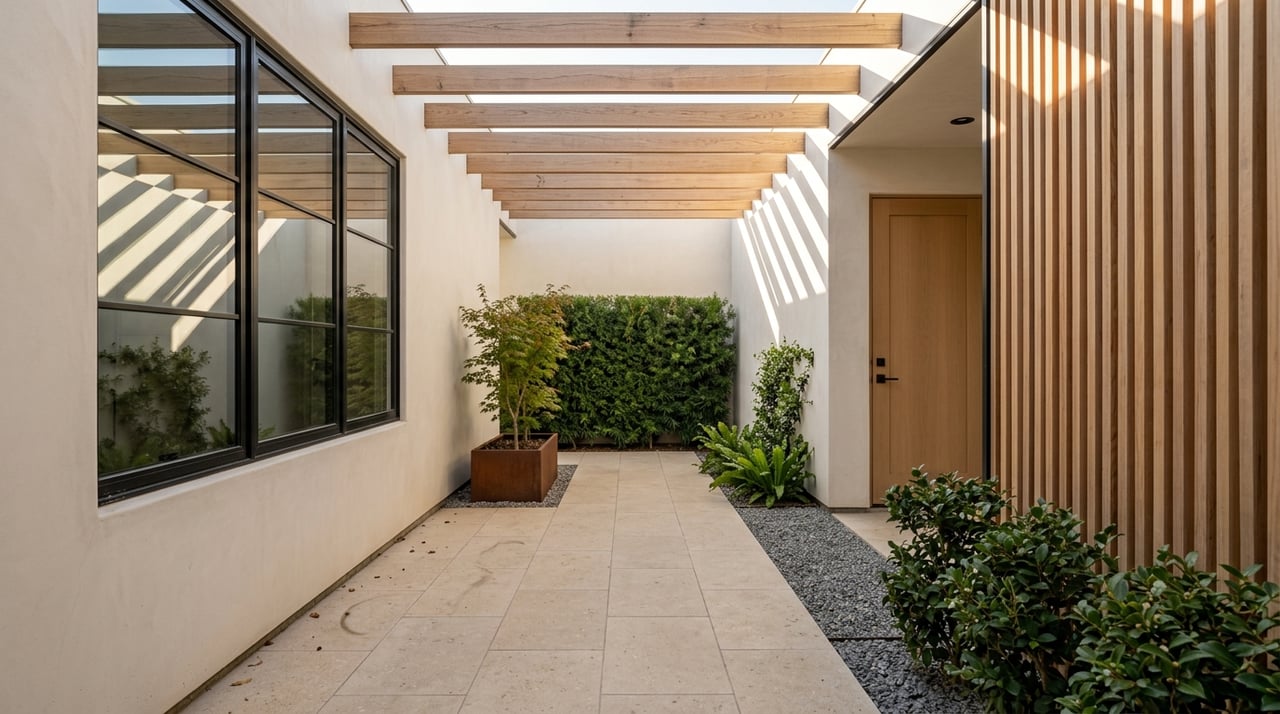
Wondering how to sell well in Palo Alto without over-improving, underpricing, or losing momentum in the first week? You are not alone. In a market this fast and this nuanced, a smart sale strategy is less about doing everything and more about doing the right things in the right order. This guide walks you through how to prepare, price, and launch your Palo Alto home with intention. Let’s dive in.
Understand the Palo Alto market
Palo Alto remains a high-price, relatively fast-moving seller’s market, but that does not mean every home should be handled the same way. Recent market data shows a median sale price of about $3.6 million, with homes selling in a median of 12 days and receiving about 2 offers on average.
That pace can create confidence, but it can also lead sellers to assume the market will do all the work. In reality, buyers in Palo Alto are still selective. They notice layout, condition, permitted improvements, and presentation quickly, especially when values per square foot are high.
Another important point is that Palo Alto is not one single price band. Pricing varies meaningfully by ZIP code and neighborhood, from about $1.27 million in 94303 to around $4 million in 94301, with Old Palo Alto much higher. That is why citywide averages are helpful for context, but not for final pricing decisions.
Build your strategy around micro-market comps
A smart sale strategy starts with the right comparison set. Instead of anchoring on a city median, you should look at the closest neighborhood and property-type comps first, then adjust for the details that shape value.
Those details often include condition, lot utility, floor plan, permitted additions, and how well the home shows online and in person. In Palo Alto, those factors can shift buyer perception quickly because the price-per-square-foot baseline is already so high.
This is where strategy matters more than guesswork. A thoughtful pricing plan should reflect how buyers will compare your home against nearby alternatives, not how the broader city performed on average.
Why citywide averages can mislead
Citywide numbers can make a market look more uniform than it really is. In Palo Alto, the spread between neighborhoods is wide enough that two homes with similar bedroom counts may sit in very different pricing conversations.
If you price from the wrong benchmark, you risk two common problems. You may leave room on the table, or you may slow early momentum by launching above what your immediate micro-market supports.
Prepare before you go live
In a fast market, it can be tempting to list quickly and sort out details later. That usually works against you. The first days online matter, so your goal should be to launch only when the home is truly ready.
Recent market data shows average Palo Alto homes sell about 6% above list and go pending in around 13 days, while hotter listings can sell about 13% above list and go pending in about 8 days. That kind of early activity makes preparation especially important.
A half-finished launch can cost you the strongest window of attention. Buyers often decide whether to save, share, or schedule a tour within the first few days, so clean execution from day one matters.
Focus on selective improvements
For most Palo Alto homes, the best pre-list work is usually selective rather than sweeping. You do not always need a major renovation to improve market response.
Instead, focus on updates that help buyers understand the home clearly and positively. That may include paint, light repairs, landscaping touch-ups, lighting, hardware, or small finish improvements that support a cleaner overall presentation.
The goal is not to erase every sign of age. The goal is to remove distraction, clarify function, and help buyers feel confident about what they are seeing.
Use design to support value
Presentation can have an outsized effect in Palo Alto because buyers are often comparing expensive homes quickly and visually. When a home feels clean, intentional, and easy to understand, buyers can focus on its strengths instead of its friction points.
That is one reason staging remains relevant. A recent staging report found that 83% of buyers’ agents said staging made it easier for buyers to visualize a property as a future home, and 60% said staging affected most buyers’ view of the home most of the time.
The rooms most often seen as important for staging were the living room, primary bedroom, and kitchen. Home-office and outdoor or yard spaces also ranked among commonly staged areas, which is especially relevant in a market where flexible living and usable exterior space can influence demand.
Highlight the rooms buyers care about
You do not need to stage every square foot with the same intensity. A more strategic approach is to focus on the spaces that shape first impressions and support the home’s story.
In many Palo Alto homes, that means:
- Living areas that show flow and natural gathering space
- Kitchens that feel functional and uncluttered
- Primary bedrooms that read as calm and spacious
- Home-office areas with clear purpose
- Outdoor spaces that show usability
When those rooms are presented well, buyers can understand how the home lives, not just how it looks.
Make digital presentation a priority
Most buyers start online, and many narrow their list before ever setting foot inside a home. That means your digital presentation is not a side detail. It is a core part of pricing and marketing strategy.
Recent buyer research found that 52% of buyers found the home they purchased on the internet. Among online users, photos, detailed property information, and floor plans were rated especially useful, and 81% of buyers rated listing photos as the most useful feature during an online search.
For sellers, the takeaway is simple. If the online package is incomplete, unclear, or visually weak, you may lose buyer interest before a showing is ever booked.
What a strong online package should include
Your public-facing listing should be crisp, accurate, and easy to absorb. In most cases, that means prioritizing:
- Clean, professional photography
- A logical photo sequence
- Accurate square footage and property details
- Clear room function
- A concise, well-structured property description
- Floor plans when available
This kind of package helps buyers make sense of the home quickly. It also supports stronger early engagement, which is especially important during the first days on market.
Get permits and disclosures organized early
Good preparation is not only visual. It is also administrative. Before listing, it is wise to verify permit history and organize documentation so there are fewer surprises once buyers begin due diligence.
The City of Palo Alto’s Permit View allows users to search building, planning, and code-enforcement activity by address, date, or application type. That makes it a practical starting point for confirming past work and identifying records worth reviewing before launch.
California disclosure planning is also important. For most 1-to-4-unit residential resales, the California Department of Real Estate explains that sellers typically need a Real Estate Transfer Disclosure Statement describing property condition, along with other materials that may include Natural Hazard Disclosure information, special tax notices, supplemental property tax notices, and common-interest-development documents for condos or townhomes.
Older homes may need extra attention
If your home is older, the disclosure process may require more planning. Sellers should disclose known environmental hazards such as asbestos, radon gas, lead-based paint, and contaminated soil or water.
Federal law also requires lead-based-paint disclosures for most pre-1978 housing and provides buyers a 10-day inspection period. For earthquake-related materials, older homes may also warrant a conversation about whether earthquake safety documents should be included in the disclosure package.
Natural hazard maps should be treated carefully as part of early preparation, not as a last-minute box to check. Starting this work sooner gives you more room to address questions before buyers are reviewing documents under time pressure.
Balance exposure with privacy
Many Palo Alto sellers value discretion, especially when timing, family logistics, or work schedules are involved. Privacy matters, but in most cases, the answer is not to limit useful listing information. The better approach is to manage privacy through process.
A balanced launch often combines MLS exposure with a controlled public-facing package and agent-managed showing access. Seller marketing data shows the most common channels include MLS websites, yard signs, open houses, major search portals, and agent websites, which points to the value of a coordinated launch rather than a single tactic.
In practical terms, that means giving buyers enough information to engage confidently while keeping more detailed conversations, access coordination, and buyer screening organized through your agent.
A smart launch sequence
For many sellers, the strongest sequence looks like this:
- Verify records and disclosures
- Complete selective preparation and staging
- Build strong photography and floor plans
- Set pricing from the right micro-market comps
- Launch when the home is fully ready
- Manage showings and buyer communication carefully
This kind of sequencing supports both momentum and control. It also helps you avoid the common mistake of going live before the home and paperwork are ready.
Timing matters, but readiness matters more
Sellers often ask when they should list. In Palo Alto, the better question is whether the home is ready to make the most of its first week.
Because buyers are heavily online-first, early views, saves, and shares can influence whether a listing gains traction. If your home hits the market before photography, staging, records, or pricing are fully dialed in, you may weaken your strongest marketing window.
That is why a smart strategy favors readiness over speed. When your pricing, presentation, and documentation align at launch, you give the home its best chance to attract serious attention quickly.
Sell with intention, not guesswork
The strongest Palo Alto sale strategies are usually not built on dramatic renovation or broad market assumptions. They are built on sequencing, discipline, and a clear understanding of how buyers evaluate value in a highly visual, high-price market.
If you are thinking about selling, the key questions are straightforward: Are you pricing from the right micro-market? Are you presenting the home clearly? Are your records and disclosures organized? And are you launching when the first week can do its best work?
That is where experienced guidance can make a meaningful difference. If you want a thoughtful, data-informed plan for your Palo Alto home, connect with Travis Conte for a discreet, strategic conversation.
FAQs
How fast do homes usually sell in Palo Alto?
- Recent Palo Alto data shows a median of about 12 days on market, with around 2 offers on average.
Should you price a Palo Alto home from the city median?
- Usually not. Palo Alto has meaningful price variation by ZIP code and neighborhood, so the closest micro-market and property-type comps are typically more useful.
Is staging worth it for a Palo Alto home sale?
- Often, yes. Staging can help buyers visualize the home more easily, especially in key spaces like the living room, primary bedroom, kitchen, office areas, and outdoor spaces.
What records should you gather before listing a Palo Alto home?
- It is smart to review permit history, organize disclosure materials, and gather any relevant property documents early so buyers can review a more complete package once the home launches.
Why does the first week matter when selling a Palo Alto home?
- The first days online are often when buyers decide whether to save, share, or tour a listing, so strong pricing, photos, and preparation can have a major effect on early momentum.